



Key Takeaways:
- The U.S. authorities now holds $17.8 billion in crypto, making it one of many largest crypto holders on the planet.
- Institutional accumulation is accelerating, signaling a shift towards state-level and company digital-asset methods.
- Market analysts warn that government-controlled crypto wallets may affect liquidity, value stability, and future regulatory path.
In line with Arkham Intelligence, the U.S. authorities accommodates estimated digital property value $17.8 billion. The growing reputation of government-owned wallets adjustments the way in which traders understand danger, liquidity, and long-term adoption patterns as establishments, hedge funds, and key asset managers begin to accumulate Bitcoin and altcoin in giant quantities.
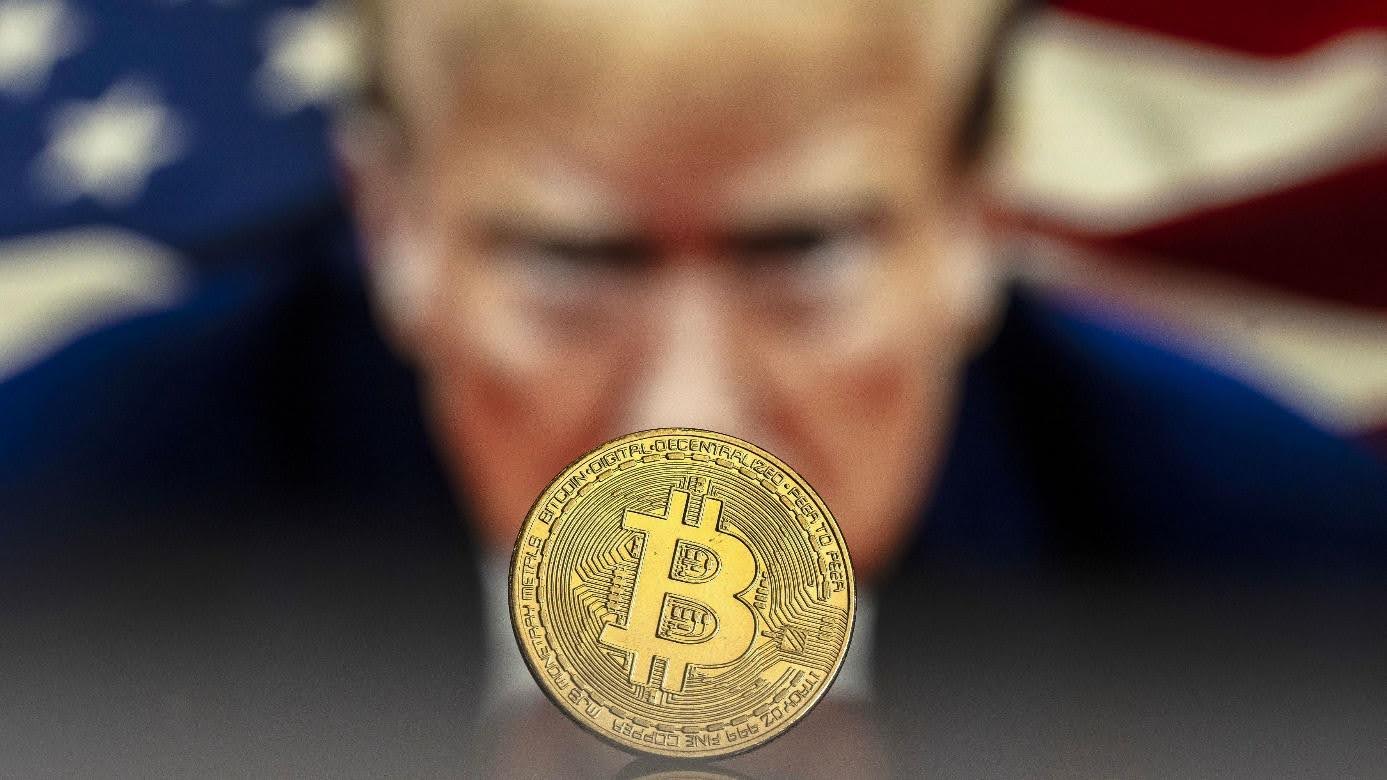
Authorities-Managed Crypto Reserves and Market Affect
The U.S. has been seizing cryptocurrencies for greater than a decade. With holdings reaching $17.8B, the U.S. Treasury successfully controls extra crypto than most publicly traded firms and even some mid-size crypto exchanges.
This stockpile locations the U.S. in a novel place. Not like personal establishments, the federal government doesn’t commerce for revenue. As an alternative, property are liquidated in keeping with authorized and administrative procedures, which frequently happen in giant, irregular batches. These occasions draw consideration as a result of they’ll briefly shake market liquidity.
Whereas federal companies haven’t any mandate to take a position or actively transfer markets, their large-scale transfers to exchanges or public sale companions are intently monitored by on-chain analysts. Any sudden motion from identified authorities wallets regularly triggers market reactions, significantly in Bitcoin, the place liquidity occasions above $100 million can affect short-term volatility.
Different commentators observe that the federal government holdings are not directly one of many causes to argue that crypto has grow to be an inevitable asset class. Ten years in the past, it was inconceivable to think about a state with billions of digital tokens. Right this moment, it emphasizes the rising significance of crypto within the legislation enforcement system, asset restoration, and monetary techniques.
Learn Extra: US$ 101 Million Drop-Purchase: El Salvador Snaps Up 1,098 Bitcoin at Market Dip
Rising Company Demand and Aggressive Positioning
With U.S. holdings taking over headlines, standard monetary establishments are increasing their involvement in digital property. Bitcoin is now not a speculative experiment by hedge funds, pension managers, and publicly traded firms.
Interchange-traded merchandise, significantly U.S. spot Bitcoin ETFs are nonetheless producing inflows that will have been unimaginable a couple of years in the past. The entry of firms similar to BlackRock and Constancy has made the possession of crypto on the company stage normal, eliminating the stigma hooked up to digital property not way back.
The truth that the U.S. authorities has a big stash highlights an even bigger level: crypto has ceased to be a site of retail patrons and early adopters. The position of presidency companies, world banks and multinational companies has grow to be vital available in the market construction.
The combination of presidency holdings and institutional inflows would permit weakening dominance of whales (early Bitcoin miners and long-term HODLers) which institutional analysts say would occur. Because of the growing share of possession amongst diversified entities, the market focus is slowly altered.

How Authorities Holdings Have an effect on Liquidity, Regulation, and Investor Conduct
Cryptocurrency managed by governments doesn’t act like a privately held capital. The companies will seldom transfer property until they want it to conduct a authorized proceedings or liquidation. It implies that large portions of Bitcoin and different tokens are actually frozen over prolonged durations, lowering circulatory provide.
Fewer cash positioned on open markets within the case of Bitcoin have a possible to extend the impact of institutional purchases. Even minor accumulation by ETFs or company treasuries can accomplish that with demand growing and provide constrained, than was the case in earlier cycles.
Learn Extra: Japan to Reclassify Crypto and Supply Main Tax Aid – Huge Shift for Digital Property
The direct involvement of the federal government in crypto when it comes to seizures, custody, and liquidation offers the federal companies with extra perception into how blockchain infrastructure operates. This has implications on rising regulatory approaches, significantly these associated to compliance, transparenting on-chain processes and asset custody ideas.
There are market strategists who consider that the huge crypto reserves of the U.S. can ultimately make the regulatory mindset extra relaxed. Though enforcement continues to be very strict, it’s now the curiosity of companies to make sure that they shield the worth of property of their management. The sudden regulatory shocks that sweep away the market worth could lower the restoration proceeds of the federal government to the federal government itself and will create an uncommon incentive congruity among the many regulators and traders.